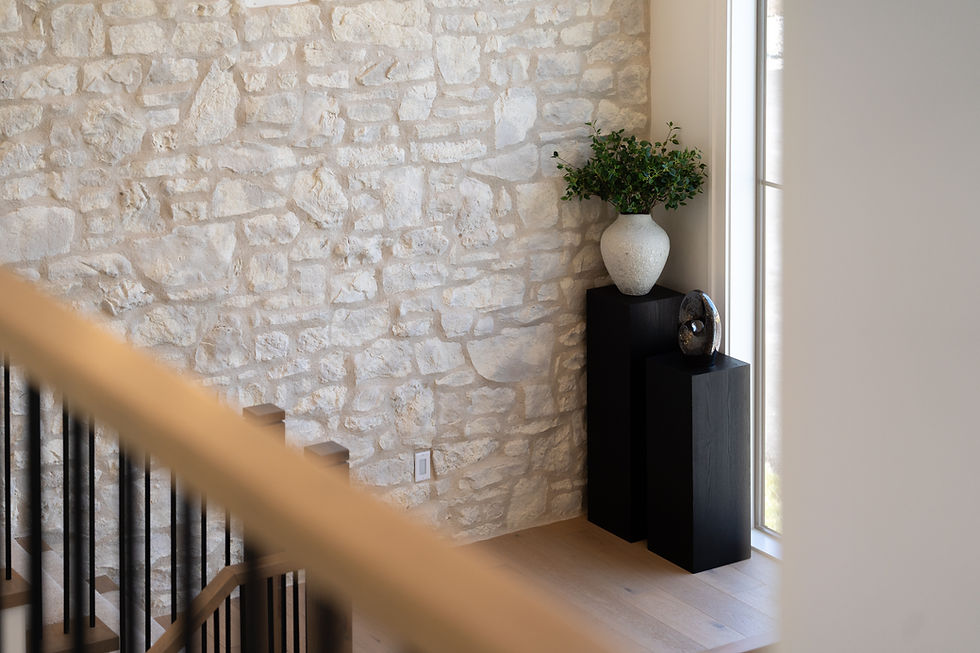
Is Manufactured Stone Veneer Worth the Investment? A Buyer's Guide
Curb appeal sets the tone for your entire home, dictating everything from neighborhood prestige to baseline market valuation. For decades, traditional siding materials like vinyl, aluminum, and fiber cement dominated suburban residential design, largely due to their availability and predictable installation methods. However, today’s homeowners are increasingly turning away from flat, monochrome exteriors in favor of the rich textures, earthen tones, and timeless permanence associated with classic stone masonry. The central dilemma for prospective buyers is finding an option that delivers this refined architectural presence without incurring the staggering weight constraints and labor expenses of full-bed quarry stone.
Manufactured stone veneer has stepped directly into that market gap, delivering an authentic textural finish engineered for modern building structures. Investing in engineered stone transforms standard building envelopes into statement designs, provided the materials and structural backing are executed correctly. Working closely with a dedicated stone veneer company ensures your chosen profiles are certified for weather resistance and properly graded for your specific regional climate. Before committing renovation capital, discerning property owners must understand how manufactured stone performs across durability, lifetime maintenance, initial costs, and resale value.
Understanding the Engineering Behind Manufactured Stone
Manufactured stone veneer—frequently referred to as cast stone, engineered stone, or faux stone—is an engineered masonry profile crafted to mirror the exact surface topography of natural quarry rock. The manufacturing process utilizes a precise mixture of high-grade Portland cement, lightweight natural pumice or expanded aggregates, and iron oxide mineral pigments. This compound is poured into flexible elastomer molds taken directly from authentic rock formations, ensuring organic striations, crags, and clefts across every piece.
Because it is substantially lighter, it eliminates the need for expensive structural footers, ledge supports, or wall ties, allowing installation over standard wood framing, masonry blocks, and steel studs. Homeowners can install these profiles across full front elevations, foundation skirts, chimney chases, or interior highlights such as fireplace walls and wine cellars. Sourcing materials from a premier stone veneer company guarantees that individual stones are cast from a diverse catalog of unique master molds, preventing the repetitive and artificial patterns that often plague low-grade imitation products.
Evaluating the Return on Investment and Resale Value
When evaluating any exterior home upgrade, direct return on investment is a decisive metric. While kitchen and bathroom renovations regularly dominate design conversations, exterior architectural improvements consistently outpace interior updates in practical equity generation. Exterior facades immediately alter buyer perception, establishing a lasting visual impression before a potential purchaser even steps through the front door. According to industry analysis published by Fixr, homeowners can anticipate an average return on investment of approximately 153.2% when upgrading exterior cladding to manufactured stone veneer, making it one of the most lucrative structural home improvements available today.
Appraisers routinely credit high-grade stone accents for compressing days on market and commanding higher square-footage values within competitive neighborhoods. Furthermore, because stone profiles imply masonry longevity and low maintenance, prospective buyers are willing to pay an equity premium compared to properties clad in weathered vinyl or repainted wood. Partnering with a reputable stone veneer company ensures that your installation retains transferable warranties and ICC-ES building compliance certifications, giving prospective buyers and home inspectors documented confidence during resale negotiations.
Comparing Costs Against Natural Stone and Alternative Siding
Cost calculations for stone veneer encompass three separate factors: base material procurement, freight logistics, and skilled installation labor. Natural quarry stone can cost more per square foot for basic raw materials alone, excluding specialized structural foundational work and slow, hand-chiseled installation. In contrast, premium manufactured stone veneer sits competitively close to high-end fiber cement or engineered lap siding while delivering a markedly more upscale aesthetic.
The true cost savings appear during the installation phase; because cast stone adheres directly to a prepared mortar scratch coat over structural framing, masonry crews can cover larger wall spans in a fraction of the time required for traditional load-bearing rock. Additionally, the lightweight nature of the product dramatically slashes freight expenses, especially when large square footages are shipped to residential work sites. Securing transparent itemized pricing through an experienced stone veneer company clarifies the complete project scope upfront, ensuring essential accessories like galvanized metal lath, weather-resistive barriers, corner pieces, and specialized polymer-modified mortars are accurately budgeted.
Assessing Long-Term Durability, Weathering, and Maintenance
A primary concern among prospective buyers is whether manufactured stone can endure the same environmental punishment as natural rock over decades of exposure. In our experience, high-quality manufactured stone profiles carry an expected service life of 30 to 50 years when installed over a properly drained building envelope. Because the color is distributed through the Portland cement matrix using deep-penetrating iron oxide pigments rather than a surface coat, normal atmospheric weathering and sunlight exposure will not wash away the foundational hue.
The lightweight aggregate mixture stands up exceptionally well against repetitive freeze-thaw cycles, provided ambient water is prevented from settling into open micro-fissures. Routine maintenance is remarkably minimal compared to wood siding, which requires cyclical repainting, or natural limestone, which can be prone to efflorescence and chemical etching. Keeping manufactured stone clean requires nothing more than an occasional rinse with clean water and a mild non-acidic detergent using a soft-bristle brush. Engaging a knowledgeable stone veneer company will help you determine whether applying a vapor-permeable silane- or siloxane-based masonry sealer is advisable to shield your investment from harsh road salts, ocean spray, or extreme regional precipitation.
Overcoming Common Risks and Installation Pitfalls
Despite its remarkable structural resilience, manufactured stone veneer can fail if water intrusion protocols are neglected during the framing and backing stages. The primary risk associated with cast stone does not stem from the stone units themselves, but from improper moisture management behind the exterior envelope. If a home lacks a continuous dual-layer water-resistive barrier, adequate self-furring metal lath fastening, integrated weep screeds, and kick-out flashing along roof junctions, water can become trapped against wood sheathing, resulting in hidden rot and structural mold.
Additionally, improper mortar mixes or shortcuts taken on the scratch coat can cause individual stone units to delaminate and fall off over time. For these reasons, exterior applications require strict adherence to the National Concrete Masonry Association (NCMA) installation guidelines rather than hasty DIY execution. Selecting an accredited stone veneer company connects you with factory-trained installers and proven installation systems engineered to channel moisture away from wall cavities, completely mitigating the risk of expensive water intrusion repairs down the road.
Selecting the Right Patterns, Profiles, and Textures
Choosing an appropriate profile involves matching the stone’s scale, cut, and shadow lines to the specific architectural language of your property. Stacked stone profiles, featuring tight dry-stacked seams and clean horizontal lines, complement modern farmhouse, mid-century, and contemporary urban structures. Ledge stone patterns combine varying stone thicknesses and widths to create rugged, dynamic shadows that elevate traditional craftsman and transitional estates. For rustic timber-frame homes, mountain cabins, or European-inspired cottages, fieldstone and rubble profiles supply irregular, rounded shapes that evoke traditional countryside masonry.
Beyond the stone profile itself, your jointing technique heavily influences the finished visual presentation; tight-dry stack joints create a sleek, modern monolithic wall, while broad raked or over-grouted mortar joints produce a historic, old-world aesthetic. Requesting physical samples and color palettes from your chosen stone veneer company allows you to observe how regional sunlight shifts against the textures throughout the day, guaranteeing that your finished selection integrates seamlessly with your existing roofline, trim, and landscape.
Investing in manufactured stone veneer bridges the gap between high-end architectural beauty and pragmatic home renovation economics. When engineered correctly, cast stone achieves the distinguished look of hand-chiseled masonry without requiring foundational structural changes, all while outperforming standard siding options in long-term equity growth. Sourcing your materials through an established stone veneer company ensures your installation meets rigorous national building standards, resists environmental degradation, and delivers consistent aesthetic appeal for decades.
Are you ready to transform your property’s exterior with industry-leading architectural stone surfaces? Connect with the design and installation specialists at Harristone & Merrillstone Veneers today to explore our extensive collection of handcrafted profiles and custom color blends. Schedule your comprehensive project consultation with us to bring high-value curb appeal to your home.