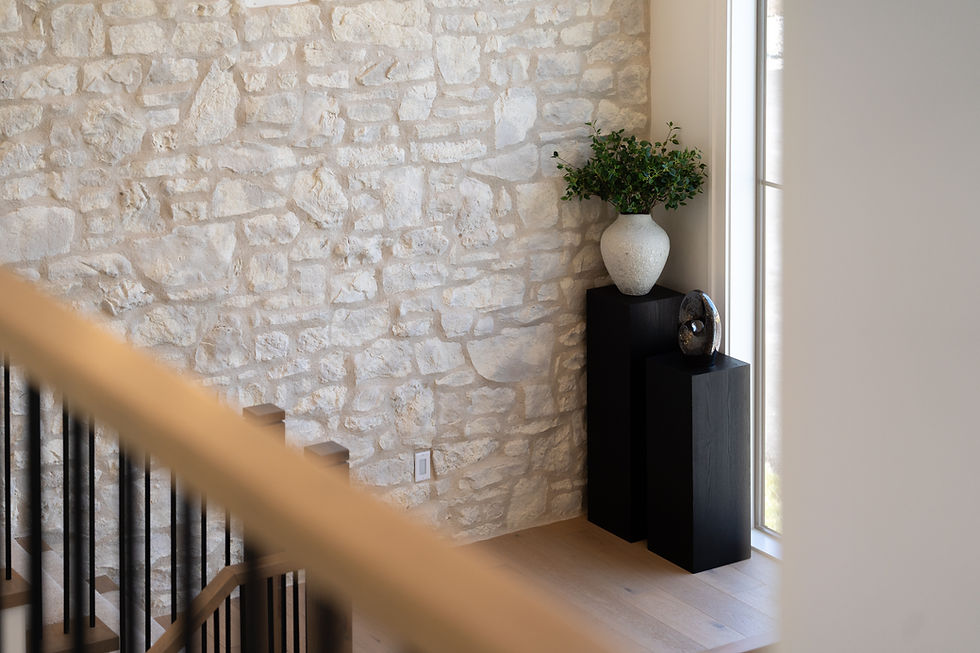
How to Care for Your Stone Veneer
Natural and manufactured stone elements bring distinct warmth, rich texture, and elevated architectural prestige to any home. Whether accenting an interior fireplace surround, defining an elegant entryway, or framing an entire exterior facade, stone cladding provides the visual grandeur of traditional structural masonry without the massive load-bearing weight. Modern architectural cladding materials offer remarkable versatility, complementing both contemporary minimalist styles and rustic traditional designs.
However, many property owners mistakenly believe that because stone evokes permanent geological endurance, it requires zero maintenance once the installation crew packs up their tools. While it is true that quality masonry stands among the most resilient exterior finishes available, completely neglecting basic upkeep often leads to premature discoloration, efflorescence buildup, water intrusion behind the wall assembly, and costly mortar deterioration. With the proper routine maintenance, your stone veneer will retain its rich texture and natural color for decades.
Understand the Anatomy of Your Installation
To preserve your masonry siding effectively, you must understand the materials holding it together and how the entire wall assembly handles environmental stress. Natural thin stone is quarried directly from the earth and sawn down into manageable, lightweight slabs, whereas manufactured stone is cast using high-grade cement, lightweight mineral aggregates, and iron oxide pigments molded to mimic organic geological patterns. Regardless of which type adorns your property, both are commonly installed as adhered masonry veneer. Unlike traditional dimensional stone, which rests squarely on a reinforced concrete foundation ledge, adhered cladding relies on a structural backing board, a weather-resistive barrier, expanded metal lath, and a thick bed of polymer-modified mortar to adhere securely against your building envelope.
Because manufactured stone veneer relies on proper weep screeds, rainscreens, and flashing systems to manage internal moisture, protecting the integrity of the surface barrier is vital. Water management is the single most critical factor in wall longevity. Exterior masonry assemblies are inherently porous; they will inevitably absorb wind-driven rain. A properly installed wall facilitates controlled drainage and evaporation so moisture never becomes trapped against internal framing. When homeowners allow cracks to linger or seal drainage channels with improper caulking, moisture accumulation rapidly degrades the underlying bond coat. This moisture-trapping effect accelerates wood rot, ruins interior drywall, and compromises structural sheathing long before any physical damage becomes evident on the outer decorative face.
Inspect Your Walls Regularly for Early Damage
We recommend doing thorough, consistent visual inspections at least twice each year, ideally during late autumn before temperatures freeze and again in early spring once winter thaws. The cyclic nature of seasonal transitions subjects exterior walls to relentless expansion and contraction. Even microscopic moisture pockets resting within minute fissures will expand by approximately nine percent upon freezing, gradually wedging small voids into gaping cracks. When examining your home, walk the perimeter systematically in bright daylight and inspect individual stones, vertical seams, and joint lines across your exterior stone veneer.
Pay close attention to hairline mortar cracks where driven rainwater can infiltrate. Search diligently for efflorescence—a crystalline, chalky white powder that forms when moisture dissolves soluble mineral salts within the concrete mix and pushes them outward to crystallize upon the stone face. While efflorescence itself is non-toxic and structurally harmless in its early phases, its emergence serves as an unmistakable warning sign that excessive water is migrating through the assembly. Furthermore, inspect the base of the wall for shifting stones, ground settlement, rust marks originating from outdoor light fixtures, and soil splashback from garden beds. Check overhead drip edges, downspouts, and gutters to verify they are not channeling sheets of water directly down the stone. Catching loose pieces or crumbling joints early allows you to tuckpoint the affected mortar promptly, preventing moisture from breaching the water-resistive barrier.
Clean the Surface With Safe Rinsing Techniques
Over months of exposure to changing weather, exterior cladding inevitably gathers airborne pollution, exhaust particulates, road dust, spiderwebs, and spring pollen. Restoring that original vibrant finish requires a calculated, gentle touch rather than heavy-duty mechanical force. Begin the cleaning process by dry-brushing the wall to sweep away loose surface dirt, dried mud splatters, and webs using a medium-to-soft bristle masonry brush. Always avoid hard wire bristles, which scratch the aggregate surface and leave behind minute steel fragments that oxidize into stubborn rust stains. Prepare a wash solution by filling a clean five-gallon bucket with warm water mixed with a mild, pH-neutral household dish soap or an approved non-acidic masonry wash. Dip a soft-bristled utility brush into the sudsy water, work from the top of the wall downward in small, manageable sections, and scrub gently in circular motions to lift stubborn grime out of deep crevices.
Rinsing requires equal caution to avoid gouging the stone facade or blowing out mortar joints. According to Masonry Magazine, when cleaning stone veneer, you should use a standard garden hose nozzle set between 100 and 400 psi while maintaining a distance of at least 12 inches from the wall surface to prevent surface erosion and moisture penetration. This controlled, moderate rinsing volume thoroughly flushes away dissolved dirt, grime, and sudsy residue without driving water past internal flashing planes or blasting away color-tinted cement particles. Always rinse your work sections thoroughly before soap solutions have a chance to dry in the sun, as dried soap scum leaves an unsightly dull film that attracts new airborne dust twice as fast.
Protect the Surface From Environmental Hazards
Routine surface cleaning keeps your masonry looking sharp, but long-term preservation requires safeguarding the wall against surrounding environmental and landscaping hazards. Landscaping beds are among the most frequent contributors to premature stone failure. Organic mulch, damp topsoil, and decorative groundcovers naturally hold water. When piled against a home, they create continuous capillary action that wicks water straight up into the mortar. Maintain a clear clearance zone of at least two to four inches between the ground level and the bottom edge of your cladding to preserve vital drainage planes and air circulation. Trim back overhanging branches, dense shrubs, and climbing ivy vines; persistent plant cover keeps stone perpetually damp, fostering colonies of green algae, moss, and lichen that embed micro-roots directly into the mortar joints.
Winter maintenance introduces another severe hazard in the form of chemical de-icers. Salt crystals applied generously to adjacent driveways, concrete patios, and front walkways can spell disaster for architectural cladding. Harsh winter de-icing chemicals corrode adhered stone veneer through chemical spalling, causing the surface layer to flake away when vehicles splash slush against the wall base. Sodium chloride and calcium chloride penetrate porous concrete, crystallizing within the pores and exerting immense pressure that causes the stone surface to spall, pit, and crumble. Use coarse sand or non-corrosive calcium magnesium acetate on nearby walkways instead of rock salt. Finally, evaluate whether your wall environment justifies applying a water-repellent sealant.
Preserving architectural stone does not demand costly industrial tools, aggressive chemicals, or exhausting physical labor. By establishing a dependable habit of biannual visual inspections, keeping flowerbed mulch and landscaping away from base screeds, washing exclusively with soft brushes and gentle detergents, and avoiding high-pressure equipment, you protect both the aesthetic charm and structural longevity of your home. Investing a small amount of time each season ensures your stone veneer remains a stunning architectural feature for years to come.
If you need expert assistance restoring damaged mortar or want professional guidance on protecting your masonry investment, the team at Harristone & Merrillstone Veneers is here to help. Contact us today to schedule an on-site inspection or consultation with one of our certified specialists. Let us keep your walls looking as flawless and durable as the day they were installed.